
Creatures
Complete Creatures of Sonaria species database: stats, growth times, weight tiers, diets, and combat abilities for all Tier 1 to Tier 5 creatures.
Introduction
The Creatures of Sonaria species database categorizes over 300 unique creatures across five distinct weight tiers, three movement profiles (Land, Aquatic, Flying), and four diet classifications (Carnivore, Herbivore, Omnivore, Photovore). Explore detailed base stats, growth duration times, bite damage values, stamina pools, and special breath abilities to discover your next species unlock. Whether you prefer peaceful photovores that absorb sunlight or massive volcanic behemoths that dominate combat, our comprehensive species guide provides all the data needed to master every playable beast in Sonaria. Additionally, staying informed about major server updates, weather patterns, and regional biome features empowers players to build strong survivor packs and explore the massive open world of Sonaria with total confidence. Additionally, staying informed about major server updates, weather patterns, and regional biome features empowers players to build strong survivor packs and explore the massive open world of Sonaria with total confidence.
Creature Species Database Overview
| Species | Tier & Diet | Growth Time | Signature Ability |
|---|---|---|---|
| Ghartokus | Tier 5 Carnivore | 48 Mins | Bone Break Bite & Heavy Armor |
| Caldonterrus | Tier 5 Volcanic | 50 Mins | Lava Breath & Fire Aura |
| Angelic Warden | Tier 5 Photovore | 42 Mins | Holy Breath & Aerial Glide |
| Kendyll | Tier 4 Carnivore | 32 Mins | Ambush Latch & Tail Whip |
Featured Species Roster
Ghartokus Titan Carnivore
Tier 5 Heavy Apex Predator & Titan Carnivore
Caldonterrus Volcanic Apex
Tier 5 Magma Behemoth & Volcanic Apex Titan
Sigmatox Toxic Titan
Tier 5 Necro Poison Stalker & Exclusive Titan
Kora Super-Titan
Tier 1 Photovore Mascot & Rapid Growth Species
Core Mechanics
Every creature in Sonaria is defined by its Tier rating (ranging from Tier 1 tiny hatchlings to Tier 5 super-titans), Diet requirement (Carnivores hunt meat carcasses, Herbivores forage plant bushes, Photovores absorb sunlight, Omnivores consume both), and Movement Profile (Land, Semi-Aquatic, Fully Aquatic, Flying). Photovore species are ideal for peaceful survival since they require zero food foraging, while Carnivores must actively hunt prey or scavenge meat piles across high-traffic biomes to maintain hunger levels and sustain natural passive health regeneration. Furthermore, understanding how environmental factors, regional map landmarks, and creature weight tiers interact allows players to optimize their growth routes, manage survival meters efficiently, and avoid dangerous predator encounters across every server. Furthermore, understanding how environmental factors, regional map landmarks, and creature weight tiers interact allows players to optimize their growth routes, manage survival meters efficiently, and avoid dangerous predator encounters across every server.
Advantages
Building a diverse collection of species tokens lets you adapt instantly to any server environment, biome terrain, or seasonal event challenge. Owning agile photovore species like Minawaii enables rapid regional collection quest farming, while controlling apex Tier 5 titans like Caldonterrus allows you to hold high-value shrine zones and protect pack members during server wars. Furthermore, mastering different movement types ensures you can navigate deep ocean biomes or high mountain peaks safely whenever weather disasters strike. Moreover, players who master these core game systems can consistently protect their territory, secure rare event rewards, and trade valuable assets in the market while maintaining competitive dominance across all playstyles. Moreover, players who master these core game systems can consistently protect their territory, secure rare event rewards, and trade valuable assets in the market while maintaining competitive dominance across all playstyles.
Challenges
Large Tier 5 titan species require long growth times and consume immense quantities of food and freshwater to reach Elder status. If an apex titan starves or dehydrates, its health drops rapidly, making survival difficult during prolonged server droughts. Additionally, heavy land creatures suffer severe movement speed penalties when traversing deep water, leaving them vulnerable to aquatic ambushers. Small Tier 1 species, while fast to grow, possess minimal health pools and can be killed instantly by single bites from larger predators. Consequently, staying cautious during high-risk environmental events, preparing emergency escape routes near burrows or water bodies, and traveling alongside protective pack mates are critical strategies for mitigating these inherent gameplay vulnerabilities. Consequently, staying cautious during high-risk environmental events, preparing emergency escape routes near burrows or water bodies, and traveling alongside protective pack mates are critical strategies for mitigating these inherent gameplay vulnerabilities.
Frequently Asked Questions
What is the easiest creature type for beginners?+
How do I unlock new creature species tokens?+
What does the weight tier dictate?+
Quick Tips
Photovore species regenerate hunger automatically during daytime hours — perfect for low-stress Shoroom farming. Since photovores do not rely on hunting or carcass spots, you can safely nest and grow in peaceful biomes like the Mountains or Plains without constant risk of starvation or confrontation with aggressive carnivore players. Understanding species mechanics is essential for long-term survival in Sonaria. Always plan ahead to maximize your gameplay success and efficiency.
Check creature diet icons before spawning to ensure your starting biome contains compatible food sources. Omnivores and Herbivores thrive near freshwater lakes with abundant plant bushes, whereas Carnivores must nest near high-traffic spawn points or ocean shores where fresh carcasses regularly drop from ongoing player skirmishes. Understanding species mechanics is essential for long-term survival in Sonaria. Always plan ahead to maximize your gameplay success and efficiency.
Semi-aquatic species can retreat into ocean water biomes to escape land-based Tier 5 titans when low on health. Pure terrestrial apex predators suffer heavy movement speed penalties in deep water, allowing aquatics and semi-aquatics to disengage instantly. Always keep a path toward deep water clear when exploring coastal zones. Understanding species mechanics is essential for long-term survival in Sonaria. Always plan ahead to maximize your gameplay success and efficiency.
Featured

Creatures of Sonaria Brequewk Stats & Combat Breakdown
Analyze Creatures of Sonaria Brequewk stats next to Sochuri, Lissiceous, Gramoss, Hygos, and Gnolrok numbers to see how this creature performs in fights.
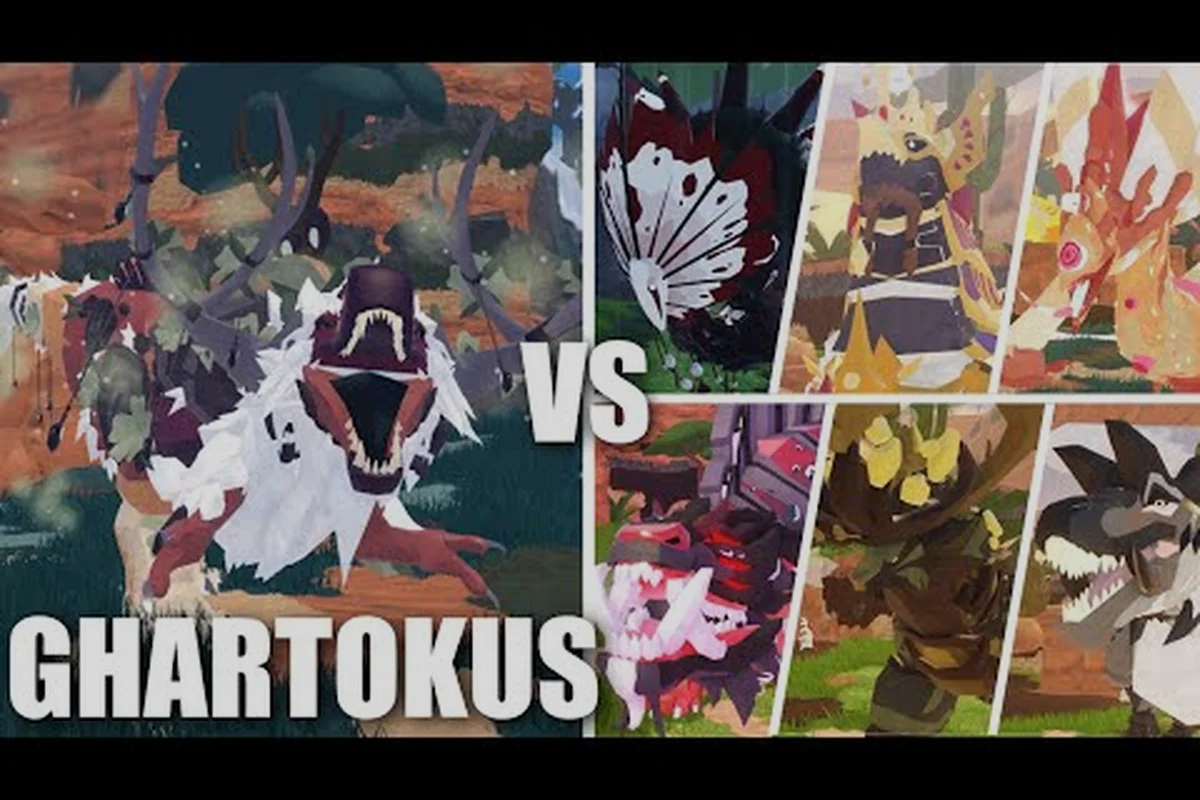
Creatures of Sonaria Ghartokus Stats: Warden Breakdown
Review Creatures of Sonaria Ghartokus stats alongside Caldonterrus, Boreal Warden, and Novus Warden numbers to compare damage, health, and warden scaling.
Creatures of Sonaria Jabblebashe Stats & Warden Matchup
Break down Creatures of Sonaria Jabblebashe stats against Jotunhel, Minawaii, and Puffwump to weigh health, damage, and growth scaling in current warden combat.
All Articles
Creatures of Sonaria Parahexilian Stats & Creature Data
Break down Creatures of Sonaria Parahexilian stats versus Korathos, Aeries, Somnia Elus, and Keruku figures to judge its role in current metas.

Creatures of Sonaria Sigmatox Stats & Warden Comparison
Analyze Creatures of Sonaria Sigmatox stats next to Garra, Ardor, Verdant, and Hellion Warden data to see which warden tops the combat charts.
Creatures of Sonaria Empiterium Stats & Warden Data
Compare Creatures of Sonaria Empiterium stats with Aolenus, Vahiaex, Flixlit, Valkyrie, and Tohukos figures to evaluate power, weight, and combat role.
Creatures of Sonaria Takamoranu Stats & Combat Matchup
Review Creatures of Sonaria Takamoranu stats against Euvias, Fellisio, Pacebiu, and Moluna to judge damage output, stamina pool, and defensive scaling in fights.